Pre-Purchase Inspection Checklist for Used Cars

Buying a used car can be a practical decision, but it also requires careful attention to the vehicle’s condition. A pre-purchase inspection helps ensure that potential issues are identified before a commitment is made. This checklist outlines key areas to examine, from the engine to the electronics, providing a structured approach for evaluating a pre-owned vehicle.
The process of inspecting a used car is not about finding a perfect vehicle, but about understanding its current state and any possible future maintenance needs. By systematically checking each component, a buyer can make an informed decision based on facts rather than appearances. RoadReady offers a comprehensive framework for such inspections, though the responsibility for verifying details ultimately rests with the buyer.
The following sections cover the major systems that should be reviewed during a pre-purchase evaluation.
Engine and Mechanical Components
The engine is the heart of the vehicle, and its condition significantly influences the car’s reliability and performance. During an inspection, it is important to start by looking at the exterior of the engine. Check for any visible oil leaks, cracked hoses, or loose belts. The engine bay should appear reasonably clean, although some dirt is normal. Pay attention to any signs of recent cleaning that might indicate an attempt to hide leaks or other problems.
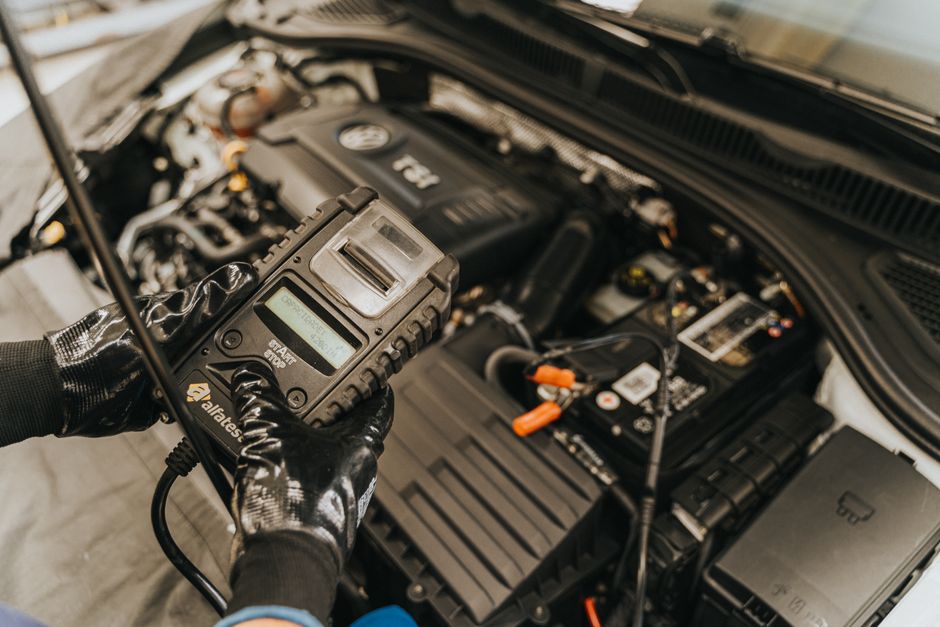
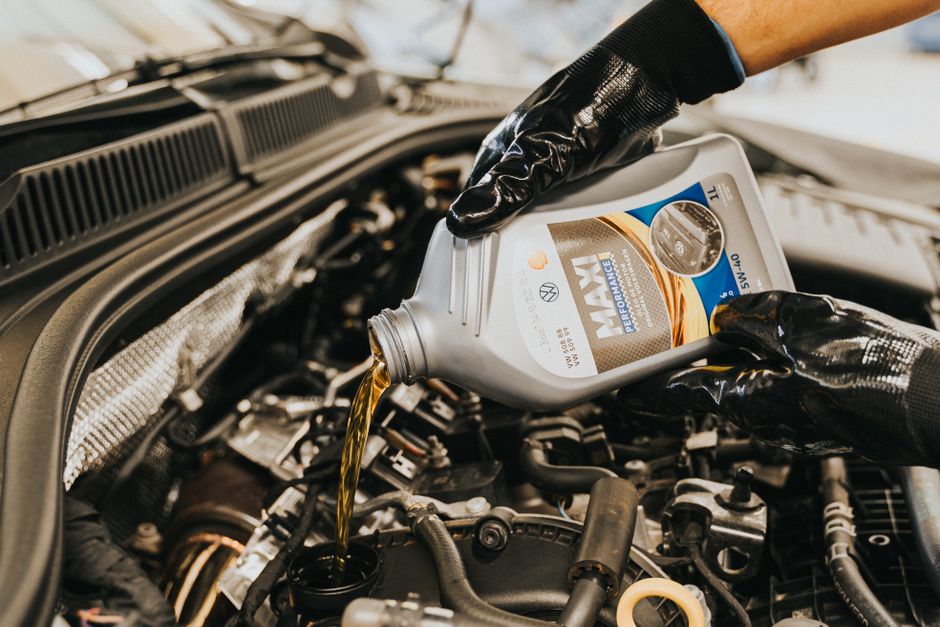
Next, examine the fluid levels and their condition. The oil should be at the correct level and have a clean, amber color. Dark, gritty oil may suggest infrequent changes. Coolant levels should be within the marked range, and the fluid should not contain any oily residue. Similarly, brake fluid and power steering fluid should be clear and topped up. A musty smell or discoloration could indicate contamination. Additionally, using a diagnostic tool to read the engine control unit for stored error codes can reveal underlying issues that are not visually apparent.
Transmission and Drivetrain
The transmission, whether automatic or manual, is another critical system. For automatic transmissions, take the car for a test drive and observe how smoothly it shifts. Hesitation, slipping, or harsh engagement can indicate problems. Also check the transmission fluid level and color. It should be reddish and clear, not burnt or dark. Manual transmissions require checking clutch engagement and any unusual noises when shifting gears.
Drivetrain components such as axles and differentials should be inspected for leaks or damage. Listen for clicking sounds during turns, which might suggest worn CV joints. On all-wheel-drive vehicles, verify that the system engages properly and that no warning lights are illuminated. A thorough test drive on different road surfaces can help identify vibrations or noises that indicate drivetrain wear.
Body and Structural Integrity
Rust and body damage can affect both safety and longevity. Examine the vehicle’s exterior for signs of rust, especially around wheel wells, door edges, and undercarriage. Surface rust may be cosmetic, but structural rust on frame rails or suspension mounts can be a serious concern. Check for panel gaps that are uneven, which could indicate previous repairs or accident damage.
Using a magnet on body panels can help identify areas where filler has been used to conceal damage. Additionally, inspect the condition of the paint for mismatched colors or overspray. The vehicle’s underbody should be examined for any bent components or excessive corrosion. Doors, hood, and trunk should close evenly and with a solid sound. Any water leaks inside the cabin may suggest weatherstripping issues or previous damage.
Tires and Suspension
Tires provide the only contact with the road, so their condition is paramount. Check the tread depth across all four tires. An easy method is the penny test, but a tread depth gauge offers more accuracy. Uneven wear patterns may indicate alignment problems or suspension wear. Also look for sidewall cracks, bulges, or cuts that could lead to failure.
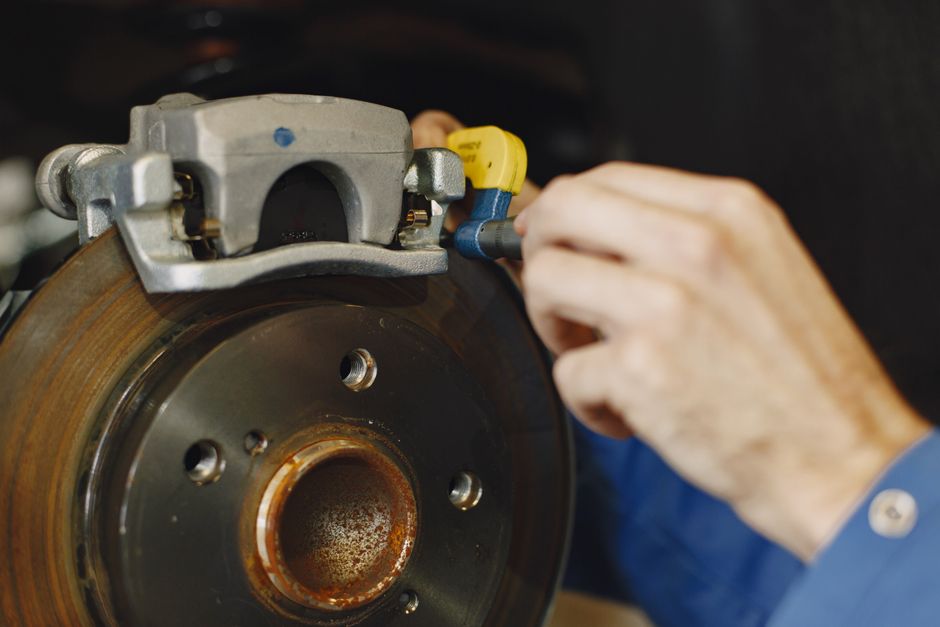
Suspension components include shocks, struts, springs, and bushings. A bounce test can reveal worn shocks: press down on each corner of the vehicle and release. If the car continues to bounce more than once or twice, the shocks may be worn. During a test drive, listen for clunks or squeaks over bumps and notice if the steering feels loose or wanders. CV joints and ball joints should also be inspected for play.
Electronics and Interior Features
Modern vehicles rely heavily on electronic systems. Begin by checking all interior lights, dashboard indicators, and the instrument cluster for any warning lights that remain illuminated after startup. Test the air conditioning and heating system for proper operation. Any strange odors or lack of cooling could indicate a refrigerant leak or compressor issue.
Other electronics include power windows, door locks, mirrors, and seats. Verify that each function works smoothly. The infotainment system should be tested for responsiveness, sound quality, and any connectivity features such as Bluetooth or USB ports. Additionally, check the operation of the horn, windshield wipers, and washer fluid spray. A comprehensive scan of the vehicle’s computer modules using an OBD-II scanner can reveal hidden trouble codes related to various systems.
Test Drive and Final Considerations
The test drive is an essential part of the inspection process. It allows for evaluation of the vehicle’s behavior under real-world conditions. Drive on a variety of road surfaces, including highways and stop-and-go traffic. Listen for unusual engine noises, transmission shift quality, and brake effectiveness. The steering should feel responsive without excessive play, and the vehicle should track straight when the steering wheel is released.
After the drive, inspect the vehicle again for any new leaks that may have appeared. Also review maintenance records and the vehicle history report. A pre-purchase inspection should be complemented by a professional mechanic’s assessment if the buyer lacks experience. Ultimately, this checklist provides a systematic way to gather information, enabling a more confident decision about whether to proceed with the purchase.