Common Brake Noises and What They Mean
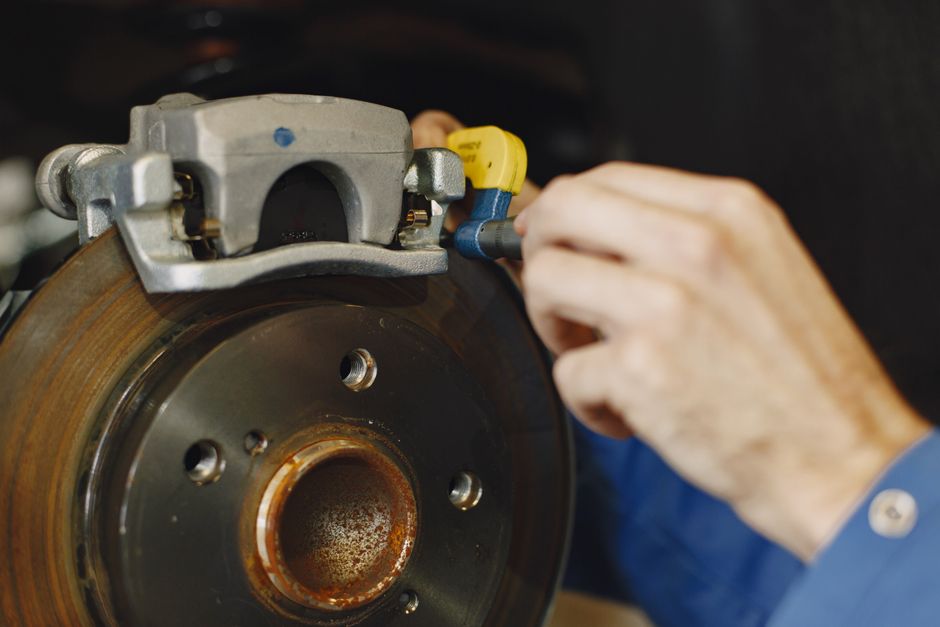
Brake noises are among the most common indicators that a vehicle’s braking system requires attention. While some sounds are harmless, others signal underlying issues that, if left unaddressed, can affect braking performance. Recognizing the type of noise and understanding its potential causes is part of a systematic diagnostic process.
This article explores the typical sounds associated with brake components—squealing, grinding, and clicking—and describes the conditions that may generate them. It also outlines approaches for identifying the source of these noises before more extensive wear develops. By familiarizing oneself with these patterns, vehicle owners can better communicate with service professionals.
Squealing Brakes: Causes and Diagnostic Insights
Squealing is often a high-pitched noise that occurs when the brake pads vibrate against the rotor. One common cause is the presence of wear indicators—small metal tabs designed to produce a squeal when pad material reaches minimal thickness. This serves as a built-in warning that replacement is near. However, squealing can also result from factors unrelated to wear, such as dust or debris between the pad and rotor, or the natural properties of certain pad materials. During a diagnostic inspection, a technician might examine the pad thickness, check for glazing on the friction surface, and clean the brake assembly to rule out contamination. It is worth noting that some aftermarket pads are more prone to squealing regardless of condition, so the context of the noise matters.
Grinding Noises: Indicators of Metal-on-Metal Contact
A grinding sound typically indicates that the brake pads have worn down completely, allowing the metal backing plate to contact the rotor directly. This can cause grooves and scoring on the rotor surface, potentially reducing braking efficiency. In some cases, a grinding noise may also stem from foreign objects lodged between the pad and rotor, such as small stones or gravel. The diagnostic process for grinding noises involves removing the wheel to visually inspect the pad material and rotor surface. If the rotor exhibits deep scoring, resurfacing or replacement may be considered. Because grinding noises often point to advanced wear, the timing of intervention can influence the extent of repairs needed.
Clicking or Thumping Sounds: Loose Components and Caliper Issues
Clicking or thumping noises are less common but can indicate issues with brake hardware. A repeated clicking sound during braking may suggest that a brake pad is loose within the caliper bracket, often due to missing anti-rattle clips or worn shims. Thumping sensations might be linked to warped rotors, where uneven thickness causes the brake pedal to pulse and a low-frequency noise to occur. Additionally, a stuck or seized caliper can produce a dragging sensation and accompanying noise as the pad remains in contact with the rotor. To diagnose such issues, a mechanic may check the caliper slide pins for proper lubrication, inspect the rotor runout with a dial indicator, and verify that all hardware is securely fastened.
Systematic Brake Inspection Process
Addressing brake noises involves a methodical approach that goes beyond listening. The process typically begins with a road test to reproduce the sound under controlled conditions. Following the test, the wheels are removed for visual inspection of the pads, rotors, calipers, and associated hardware. Measurements such as pad thickness, rotor thickness variation, and lateral runout are taken to quantify wear. Any abnormal findings are cross-referenced with vehicle manufacturer specifications. It is important to recognize that multiple factors can contribute to noise, and a single symptom may have several possible explanations. A thorough inspection helps isolate the root cause without relying on assumptions. Typical steps in a brake noise inspection include:
- Listening to the noise during different braking intensities and speeds.
- Checking pad thickness and wear pattern on each wheel.
- Measuring rotor thickness and inspecting for scoring or cracks.
- Lubricating caliper slide pins and verifying free movement.
- Examining anti-rattle clips and shims for damage or absence.
When Context Matters: Factors Influencing Brake Noise
Brake noise does not always indicate a defect. Environmental conditions, driving habits, and component age all play a role. For instance, morning dew can cause surface rust on rotors that produces a brief squeal until the rust is worn away. Similarly, frequent stop-and-go driving may accelerate pad glazing, leading to squealing. Understanding these contextual elements is part of a comprehensive diagnostic evaluation. Technicians often consider the vehicle’s mileage, driving environment, and recent maintenance history when interpreting noises. This broader perspective helps distinguish between normal operational sounds and those requiring corrective action.
Communicating Findings with Service Professionals
When describing brake noises to a technician, providing specific details can aid the diagnostic process. Information such as when the noise occurs (during braking, turning, or reversing), the type of sound (squeal, grind, click), and any accompanying sensations (vibration, pedal pulsation) helps narrow possibilities. Resources like RoadReady’s diagnostic guides offer structured frameworks for assessing brake system health, though professional evaluation remains essential for accurate diagnosis. Documenting the frequency and conditions of the noise can also be beneficial for tracking changes over time.